Spectacle and Sentiment: The World of Telugu Cinema
Reference library · 943 words
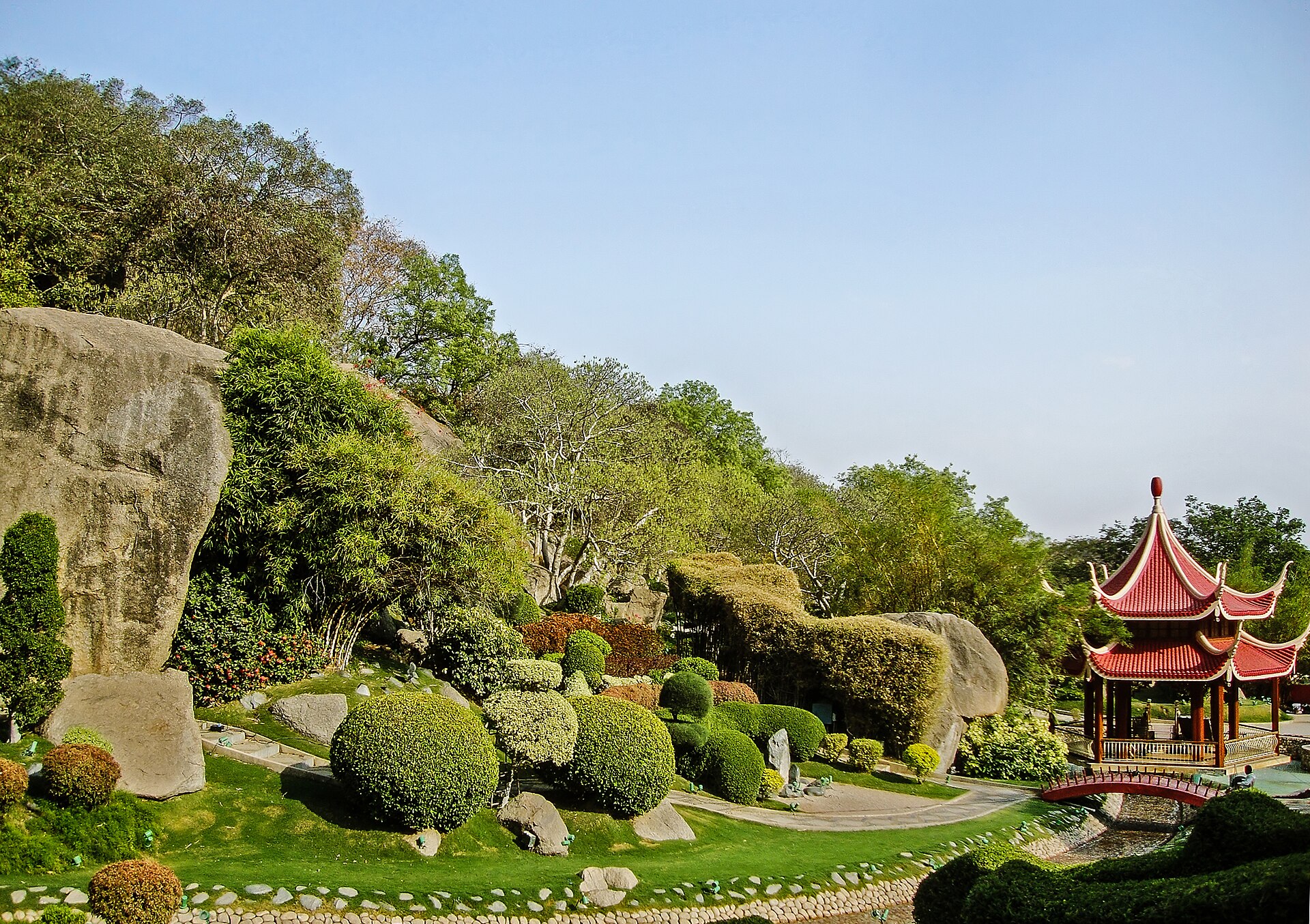

In 2022 Telugu cinema accounted for roughly a fifth of all Indian box office revenue and sold more tickets than any other language industry in the country, including Hindi. For an industry serving one language across two states, that is an extraordinary position, and it was not achieved by accident. Telugu cinema has spent a century building an audience that goes to the cinema often, in large numbers, at very high volume, and it has built its films to reward exactly that.
The origins run through Raghupathi Venkaiah Naidu, who began producing short films from 1909 and established some of the first Indian owned cinema halls in south India. Bhishma Pratigna, made in 1921, is generally considered the first Telugu feature. Bhakta Prahlada in 1932 was the first full length Telugu talkie to be released theatrically, and 15 September is observed as Telugu Film Day. The early sound period was dominated by mythologicals and by devotional subjects drawn from the epics and the puranas, which suited an audience that already knew the stories and came to see how they would be staged and sung.
The Studio Golden Age
The mid century industry was built by studios. Vijaya Vauhini Studios in Madras, run by B. Nagi Reddy and the writer Chakrapani, operated on something close to a Hollywood contract model, with staff writers, composers, art departments and stars under long term arrangements. Its most celebrated production is Mayabazar, released in 1957 and directed by K. V. Reddy, an episode from the Mahabharata cycle shot simultaneously in Telugu and Tamil with partly different casts. N. T. Rama Rao played Krishna, S. V. Ranga Rao played Ghatotkacha and Savitri played Sasirekha. The cinematographer Marcus Bartley created what is described as the first convincing moonlight illusion in Indian cinema for one sequence, and the film was later the first Telugu film to be digitally restored and colourised. In a public poll conducted by CNN-IBN it was voted the greatest Indian film of all time, which says as much about the film's continuing hold on Telugu audiences as about any critical consensus.
N. T. Rama Rao and Akkineni Nageswara Rao anchored the era between them, NTR through mythological and heroic roles, particularly as Krishna and Rama, and ANR through romantic and social drama. NTR's screen divinity translated into political authority: he founded the Telugu Desam Party in 1982 and became chief minister of Andhra Pradesh, following a pattern of screen persona converting into electoral power that Tamil Nadu had already established.
Alongside the commercial mainstream, K. Viswanath built a body of work in which classical music and dance were the subject rather than the decoration, in films including Sankarabharanam and Sagara Sangamam, and demonstrated that films about art forms could be commercially successful. Ram Gopal Varma's Shiva in 1989 pulled in the other direction, bringing a hard, kinetic urban style and technical approach that reset expectations for a generation of filmmakers.
Hyderabad, Scale and the Pan-Indian Turn
Telugu production shifted from Madras to Hyderabad over the second half of the twentieth century, and the move was consolidated by infrastructure. Ramoji Film City, opened near Hyderabad in the 1990s by the Ramoji Group, is a very large integrated studio complex combining sets, sound stages, post production and accommodation, allowing a production to be executed end to end in one place. That capacity matters for a cinema built on scale, and it is one practical reason Telugu films could attempt physical spectacle at budgets that would have been unmanageable elsewhere.
The pan-Indian breakthrough came through S. S. Rajamouli. Baahubali: The Beginning in 2015 was shot simultaneously in Telugu and Tamil, was India's most expensive film at the time of release, and grossed several times its budget worldwide; its 2017 sequel went considerably further. RRR in 2022, again directed by Rajamouli, took a fictionalised pairing of two real anti-colonial figures and built a film of sustained physical spectacle around it. Its song Naatu Naatu won the Academy Award for Best Original Song at the ninety fifth ceremony, the first song from an Asian film to win in that category.
It is worth being precise about what that award was, because it is routinely overstated. The Oscar went to the song, in the music category, not to the film for best picture or best international feature. The achievement was real and the inflation is unnecessary.
Sentiment as a Structural Element
The other half of the Telugu formula is less often analysed. Alongside the spectacle sits an unembarrassed emotional register centred on family: the mother, the sister, the village, the obligation owed and eventually repaid. Western and metropolitan Indian criticism tends to call this sentimentality, but within the form it functions structurally. The emotional debt established in the first half is what makes the physical release of the second half legible. A fight scene in a Telugu film is usually the settlement of an account that the audience has been asked to care about for an hour.
The industry carries real problems alongside its success. Its star system is heavily dynastic, with several families supplying successive generations of leading men, and access for outsiders is correspondingly narrow. Women's roles in the biggest commercial films are frequently thin. Production budgets have escalated fast enough that a small number of failures can destabilise distributors. And the pan-Indian model, in which a film is made simultaneously for audiences in several languages, risks flattening the regional specificity that gave Telugu cinema its distinct texture in the first place. Whether the industry that now sells more tickets than any other in India can keep sounding like itself is the question the next decade will answer.
References
- WikipediaTelugu cinema
- WikipediaMayabazar
- WikipediaBaahubali: The Beginning
- WikipediaRRR
- WikipediaCinema of India
This is a reference article, written from the sources above. It is background, not news reporting.