Punjab's Tandoor: Cooking with Clay and Flame
Reference library · 1094 words
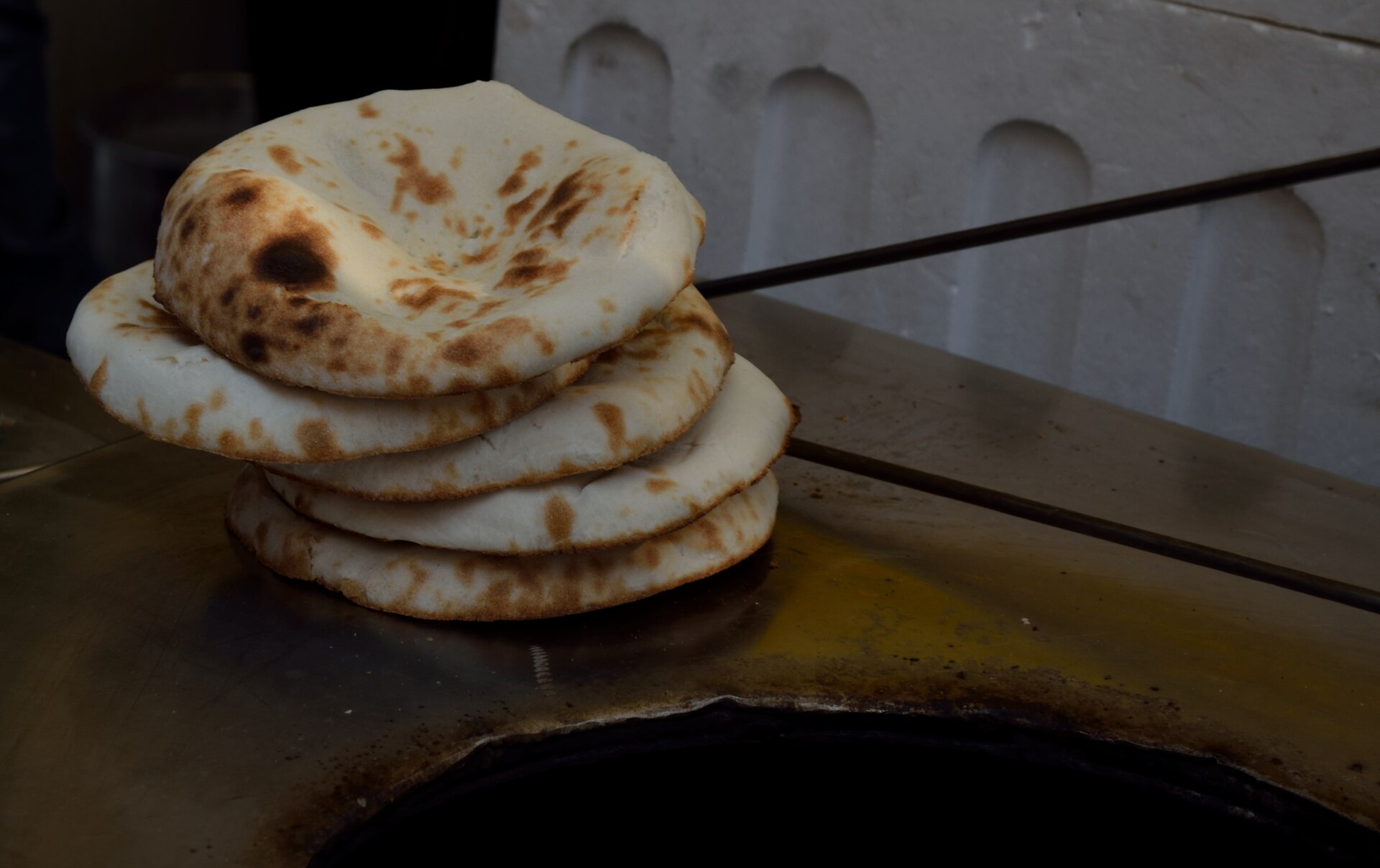

The tandoor is one of the oldest continuously used cooking devices in the world, and also one of the most misunderstood. To most people outside South Asia it means a restaurant oven that turns chicken red and puffs bread into a teardrop shape. To a village in Punjab it has meant something closer to a shared civic institution: a clay-lined pit of fire that several households fed, used and maintained together, and around which a good deal of daily social life was organised.
Physically, a tandoor is a thick-walled vessel of unglazed clay, usually barrel or bell shaped, narrowing at the mouth. It may be sunk into the ground, packed around with earth or mud brick, or built above ground in a masonry or metal jacket with an insulating layer between clay and shell. Traditionally the clay body is reinforced during construction with organic fibre, often chopped straw or goat hair, and sometimes tempered with mustard oil, salt and other additives to reduce cracking as the vessel heats and cools through hundreds of cycles. Fuel is charcoal or wood, burned at the base until the walls themselves glow and store heat.
That stored heat is the whole secret. A domestic gas oven heats air, and air is a poor carrier of energy. A tandoor cooks by three routes at once: radiant heat pouring off walls that may sit somewhere between the temperature of a hot pizza oven and considerably above it, conductive heat where dough is slapped directly onto the clay, and a fierce convective updraught through the narrow mouth. Meat lowered in on long skewers is seared on all sides simultaneously with no need to turn it, its surface proteins browning before the interior has time to dry out. Bread stuck to the wall cooks in a minute or two, the water in the dough flashing to steam and inflating the loaf from within.
Older than Punjab, and older than the recipes
The clay oven is not a Punjabi invention, and honest food history should say so. Archaeological excavation at Harappan sites in the Indus valley, in what is now Pakistan and northwestern India, has recovered oven structures broadly of this type, placing the technology in the region in the Bronze Age. Closely related ovens appear across an enormous belt of the world under cognate names: the tannur of the Arab world and the Levant, the tonir of Armenia, the tanur of Persia, the tone of Georgia. The words are almost certainly related to an ancient Semitic root, and the family resemblance of the breads baked in them, from Iraqi khubz to Armenian lavash to Punjabi naan, is not a coincidence. Punjab sits at one end of that belt, not at its origin.
What Punjab did contribute is a distinctive repertoire and a distinctive social arrangement. The village tandoor, in many communities a communal one, was fired in the morning and evening. Women brought prepared dough from their own kitchens, baked their day's roti in turn, and used the waiting time as one of the few regular occasions for news to circulate between households. Fuel was expensive and the labour of firing a large clay body was wasted on a single family's bread, so sharing was economics as much as sociability. The practice thinned considerably through the twentieth century as gas cylinders, flat iron tawa griddles and, after the upheavals of Partition and later urban migration, changed household patterns made the private kitchen self sufficient. Some villages still keep one going.
The Delhi restaurant invention, and what it obscures
Here the story becomes genuinely contested, and it is worth stating the dispute rather than repeating the tidy version. The dishes that the world knows as tandoori cooking, above all tandoori chicken and the butter based gravies built from it, are commonly credited to Punjabi restaurateurs who moved from Peshawar to Delhi around the time of Partition in 1947 and established restaurants in Daryaganj and later Connaught Place. Moti Mahal is the name most often attached to the story. That much is well attested. What is genuinely disputed is how much was invented and how much was carried: the practice of marinating and roasting meat in a clay oven long predates any twentieth century restaurant, versions of spiced roasted chicken existed in the northwest frontier region before the migration, and rival claims to the specific recipes have circulated for decades between families and cities. Anyone who tells you flatly that one restaurant invented tandoori chicken is compressing a messier history.
The marinade itself is a good piece of practical chemistry. Yogurt supplies acid and enzymes that soften the surface of the meat and, being thick, clings to it through the heat of the oven where a thin liquid would drip into the coals. Ginger and garlic paste, roasted cumin, coriander, garam masala and dried fenugreek leaf (kasuri methi) provide aroma. Lemon juice and salt draw moisture out and then back in, carrying flavour with it. Two stage marinating, a short salt and acid stage followed by a longer spiced yogurt stage, is common in professional kitchens. The famous red colour, it should be said plainly, comes in most commercial versions from added food colouring rather than from chilli or any traditional ingredient; Kashmiri chilli and paprika give a real but far gentler red.
Bread, and the difference between naan and roti
The tandoor's bread repertoire divides on a single question: is the dough leavened. Naan is a leavened white flour bread, usually made with refined wheat flour and raised with yogurt, a starter or commercial yeast, sometimes enriched with milk or egg. It is a bread of towns, courts and restaurants, because refined flour and enrichment cost money. Tandoori roti is unleavened and made from wholemeal atta, the everyday bread of the village oven, denser, nuttier and cheaper. Kulcha, strongly associated with Amritsar, is a leavened flatbread often stuffed with spiced potato or onion and finished with butter. Baking method is common to all: the flattened dough is moistened on one face, slapped onto a cushioned pad, and pressed against the oven wall, where surface moisture and heat make it adhere until it releases as it cooks.
One caution for the home cook: most domestic clay tandoors sold for backyard use never reach the wall temperature of a commercial oven, and underfired bread will simply fall off the wall into the coals. Letting the clay saturate with heat before the first loaf is not optional. The tandoor rewards patience with the fire far more than it rewards elaborate recipes.
References
- Encyclopaedia BritannicaTandoor
- Victoria and Albert MuseumSouth Asia collections
- BBCBBC Food: Indian recipes and ingredients
- Harappa.com / Archaeological research archiveIndus Valley civilisation: sites and material culture
This is a reference article, written from the sources above. It is background, not news reporting.