Goa's Coastal Table: Seafood Meets Portuguese Legacy
Reference library · 1053 words
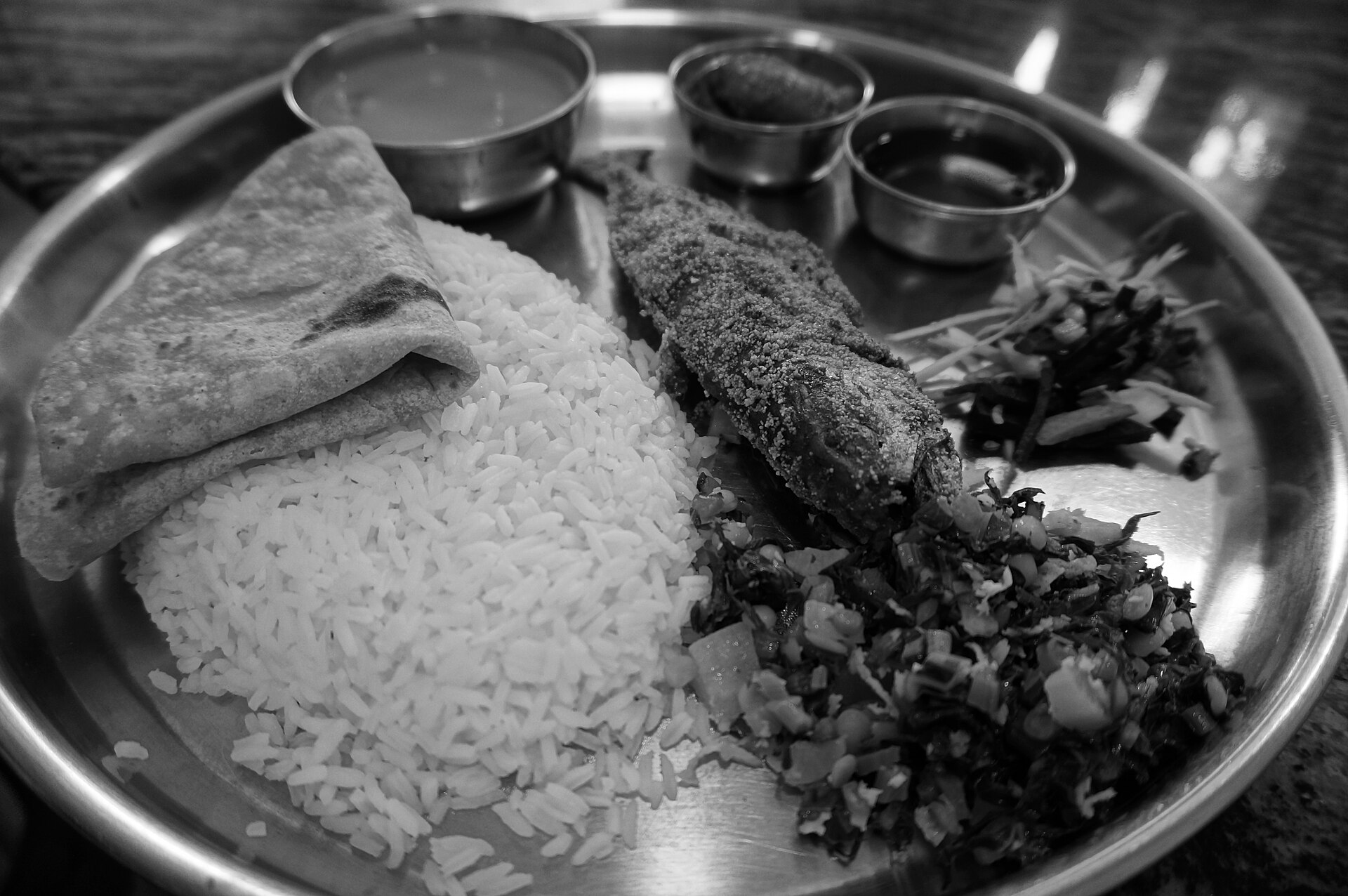

Goa is India's smallest state by area, a strip of coast, estuary and forested hill on the western seaboard, and it has a food culture out of all proportion to its size. The reason is a long and uncomfortable history: the Portuguese took Goa in 1510 under Afonso de Albuquerque and held it until 1961, a span of more than four and a half centuries, far longer than British rule anywhere in India. Four hundred and fifty years of colonial presence, missionary activity, intermarriage and trade produced a genuinely hybrid cuisine that belongs entirely to neither tradition.
It is important to be clear about what the Portuguese actually brought, because the popular version overstates some things and understates others. The single largest contribution was botanical, and it was not confined to Goa. Portuguese ships carrying plants from the Americas introduced the chilli, the potato, the tomato, maize, the cashew, the papaya, the pineapple and the guava to India. The chilli in particular transformed cooking across the entire subcontinent within a few generations. Goa was one entry point among several, and the effects spread far beyond it.
The second contribution was technique and preference: vinegar as a preservative and a flavour, pork as a significant meat, leavened bread, elaborate egg based confectionery, and the practice of pickling and curing meat. The third was religious and social: conversion created a Goan Catholic community whose kitchen operated under none of the vegetarian or beef and pork restrictions observed elsewhere, and that community's cooking is where the fusion is most visible.
Vindaloo, and how a name got mangled
Vindaloo is the most misunderstood Indian dish in the English speaking world, where the word has come to mean, roughly, the hottest thing on the menu. Its actual origin is a Portuguese preservation method: carne de vinha d'alhos, meat in wine and garlic. Meat, usually pork, was packed with wine or wine vinegar and a great deal of garlic, which both preserved it on long voyages and flavoured it. In Goa the wine became palm or cane vinegar, which was locally available, and the dish acquired Kashmiri chilli, cumin, cinnamon, clove and, in many Goan versions, a little sugar or jaggery to balance the acid. The name is a corruption of the Portuguese phrase, not a reference to potatoes, despite the widespread belief that the aloo in it means potato. Some Indian restaurants abroad now add potatoes to match the false etymology, which is a nice example of a mistake creating its own reality.
A properly made Goan vindaloo is sour before it is hot. The vinegar is the point. Kashmiri chillies are used for colour and aroma more than for heat, and the dish is generally improved by sitting overnight, since the acid continues to work on the pork. The fiery restaurant version is a British Indian development and, while perfectly legitimate as its own thing, tells you very little about Goa.
Two kitchens: Hindu and Catholic
Goan food divides along a line that most outside accounts blur. The Goan Hindu, or Saraswat, kitchen avoids the Portuguese imports of pork and vinegar and produces a lighter, sweeter, coconut forward cuisine that has a great deal in common with the coastal cooking of Karnataka and Maharashtra. Khatkhate is a mixed vegetable and lentil stew flavoured with a spice blend called tirphal, a relative of Sichuan pepper that brings a numbing citrus note. Sol kadhi, a pink drink or thin sauce of coconut milk and kokum, the dried sour rind of a local fruit, is drunk at the end of a meal and functions as a digestive. Kokum, not tamarind, is the characteristic Goan souring agent, and it gives a cleaner, fruitier acidity.
The Goan Catholic kitchen uses vinegar, pork and beef freely. Sorpotel, made from pork, pork liver and traditionally pork blood, cooked with vinegar and a heavy spice paste, is a Christmas dish that is deliberately made days in advance and reheated repeatedly, improving each time. Chourico or chorizo Goan sausage is a local reworking of the Iberian original: pork cured with vinegar, chilli, garlic and feni, air dried, strung in links and used in rice and bread dishes rather than eaten as a cold cut. Xacuti, pronounced roughly shakuti, is built on a dark roasted paste of coconut, poppy seed and a long list of whole spices, and is usually made with chicken. Cafreal is green, built on coriander, green chilli and lime, and its name and probable route into Goa run through Portuguese Africa, one of several reminders that the empire moved food between continents, not just between Europe and India.
Fish, bread and the arguments about tourism
The everyday Goan meal is neither of these things. It is rice, a thin coconut and kokum fish curry, and a fried fish. The curry, xitti kodi or simply fish curry, uses ground coconut, red chilli, coriander seed and turmeric with kokum or tamarind, and is thin enough to soak into rice rather than coat it. Mackerel, kingfish, pomfret, sardines and, in the estuaries, mussels, clams and oysters are the standard catch. Rechado masala, a thick red vinegar and chilli paste, is stuffed into a slit fish before shallow frying, and is one of the best things in Indian coastal cooking.
Bread is where the Portuguese legacy is most visible in daily life. Goa has a leavened bread tradition almost unique in India, produced by poders, bakers who still deliver in some villages by bicycle with a distinctive horn. Pao, poee (made with wholemeal and a hollow interior), undo and kankonn are distinct shapes with distinct uses. The traditional leavening in some of these breads uses toddy, fermented palm sap, rather than commercial yeast.
Two honest caveats. First, the assumption that everything distinctive in Goan food is Portuguese is wrong; the coconut, rice, kokum and fish base is indigenous coastal Konkan cooking that long predates 1510, and the Saraswat kitchen preserves much of it. Second, the version of Goan food served on the beach shacks of the northern coast is heavily shaped by decades of tourism, and dishes there are often adjusted toward what visitors expect. The better food is generally inland, in village tavernas and home kitchens, and it is more sour, less sweet and considerably more interesting.
References
- Encyclopaedia BritannicaGoa
- UNESCO World Heritage CentreChurches and Convents of Goa
- Encyclopaedia BritannicaAfonso de Albuquerque
- BBCBBC Food: Indian cuisines
This is a reference article, written from the sources above. It is background, not news reporting.