Christmas by the Sea: Goa's Coastal Yuletide Traditions
Reference library · 919 words

Christmas in Goa smells of coconut and hot fat weeks before it arrives. From late November, kitchens in Salcete and Bardez begin turning out trays of sweets, and by mid December the exchange has started: plates carried across lanes to neighbours, to the parish priest, to Hindu and Muslim families down the road, and packed into boxes bound for relatives in Mumbai, the Gulf, Lisbon, London and Melbourne. The Goan Christmas is a church festival, but its most visible form is a food distribution network run by grandmothers.
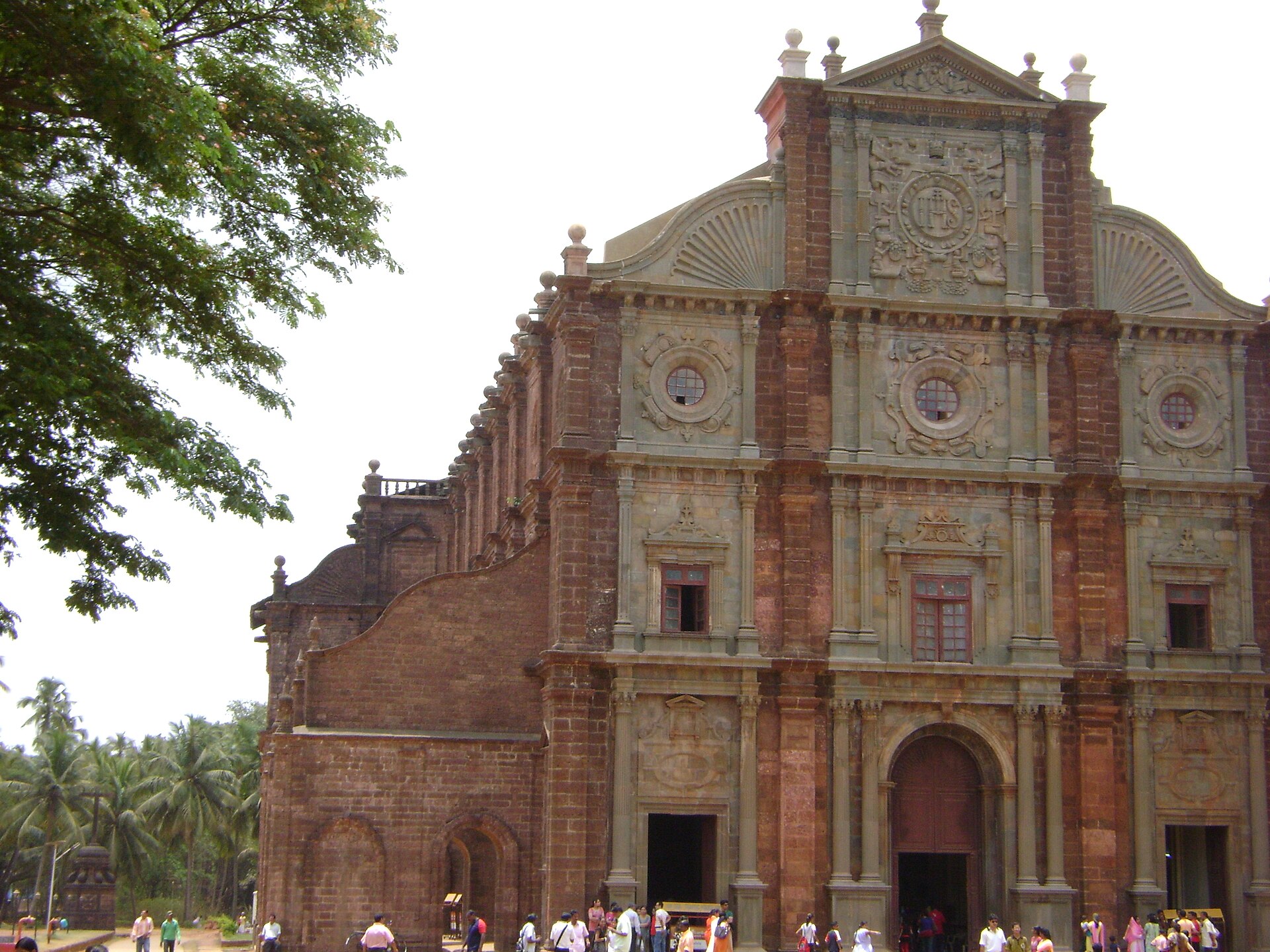
The setting explains a great deal. The Portuguese took Goa in 1510 under Afonso de Albuquerque and held it until 1961, a span of four and a half centuries that is far longer than British rule anywhere in India. Conversion followed conquest, the Inquisition maintained an office in Goa from 1560 until 1812, and the churches of Old Goa, including the Basilica of Bom Jesus with the remains of Francis Xavier and the Se Cathedral, were inscribed as a UNESCO World Heritage Site in 1986. The Catholic share of Goa's population has fallen substantially since the early twentieth century, largely through emigration by Goans and immigration from elsewhere in India, but the Christmas calendar remains a state wide event rather than a minority one.
Kuswar, and the Work Behind It
The Christmas platter is called kuswar, and it is a set rather than a single sweet. It typically includes kulkuls, small curls of fried dough rolled off the back of a fork or a comb; neureos, fried pastries stuffed with coconut, jaggery and semolina; dodol, a dense dark slab of jaggery, coconut milk and rice flour stirred over low heat until it pulls away from the pan; perad, a firm guava paste cut into diamonds; teel laddoo of sesame and jaggery; bath, a coconut and semolina cake; and doce, made from chana dal and coconut.
The queen of the set is bebinca. Its batter is egg yolk, coconut milk, sugar, flour and ghee, and the technique is what makes it formidable: a thin layer is poured and cooked until set and browned, then another is poured on top and cooked, and so on, traditionally between seven and sixteen times. The finished cake is cut to show its strata. Made properly it takes the better part of a day and a great many yolks, which is why bebinca was historically a once a year effort even in households that ate well.
The egg yolk richness is not a coincidence. Portuguese conventual sweets were built on yolks, a habit usually attributed to convents using egg whites for other purposes and finding a use for what was left. Bebinca, filhoses and arroz doce all sit in that lineage, remade with coconut milk and palm jaggery because that is what the coast provided. Goan Catholic cooking generally is a record of this substitution: Portuguese methods of deep frying, oven baking and vinegar preservation applied to Indian ingredients.
The Night Itself
Preparations peak on Christmas Eve. Houses hang paper star lanterns from balconies and gateposts, visible for miles down village roads after dark. Cribs are built and competed over between households and parishes, often with local materials and elaborate landscaping. Families attend the midnight service, known in the Portuguese inheritance as the mass of the rooster, after which the eating begins in earnest and continues into the small hours.
The savoury table leans heavily on pork, which Goan Catholic cooking uses freely. Sorpotel, pork cooked with liver and offal in vinegar and chillies, is the centrepiece and is deliberately made days ahead because the vinegar cures it and the flavour improves with keeping. Alongside it appear chouriço, the Goan sausage; roast pork or beef; xacuti with its roasted coconut and spice paste; and vindalho.
Vindalho is worth pausing on, because its name is one of the most widely repeated errors in Indian food writing. It comes from the Portuguese carne de vinha d'alhos, meat in wine and garlic, with Goan cooks substituting palm vinegar for the wine. The common belief that the second half of the word refers to aloo, potato, is folk etymology working backwards from restaurant versions that add potatoes. Traditional Goan vindalho contains none.
Two Christmases in One State
Since the 1990s a second Christmas has grown alongside the parish one. The last fortnight of December is the peak of Goa's tourist season, and the beaches of the north fill with events, sound systems and package crowds. The two versions coexist uneasily. Village Goa observes a religious feast with family obligations that begin at dawn; the coastal strip runs a commercial season that peaks at midnight on the thirty first. Parish councils and residents' groups have pushed back periodically over noise, licensing and the use of village land, and the argument recurs every year.
Migration shapes the other half of the picture. Goans have left in large numbers for Mumbai, the Gulf states, Portugal, Britain, Canada and Australia, and Christmas is the season when they come back. Houses that stand shuttered for months are opened, and the kuswar is made in quantities that assume returning children. Where returning is not possible, the sweets travel instead, which is why a tin of kulkuls arriving in Sydney in mid December carries considerably more weight than its contents suggest. Goan Hindu families take part in the exchange as neighbours and return the courtesy at their own festivals, and that reciprocity, more than anything hung on a balcony, is what a Goan Christmas actually looks like.
References
- WikipediaGoan Catholics
- WikipediaGoan Catholic cuisine
- WikipediaChristianity in Goa
- WikipediaBebinca
- WikipediaVindaloo
This is a reference article, written from the sources above. It is background, not news reporting.