Bengal's River Kitchen: The Art of Fish Curry
Reference library · 1079 words
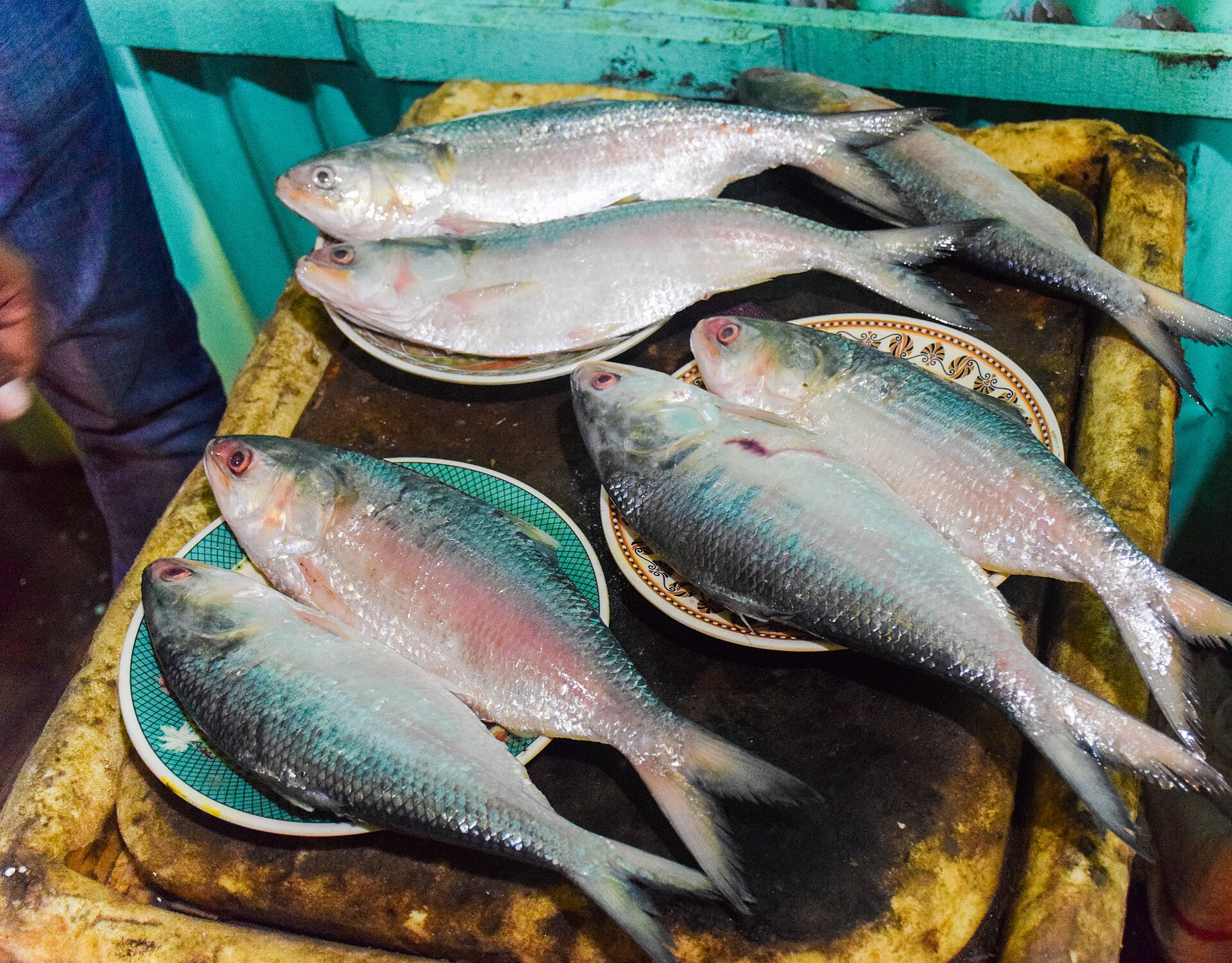

To understand Bengali cooking you have to start with water. The Bengal delta, split today between the Indian state of West Bengal and the nation of Bangladesh, is the largest river delta on earth, built from the silt of the Ganges, the Brahmaputra and the Meghna as they break into hundreds of distributaries before reaching the Bay of Bengal. Almost everything about the region's food follows from that geography: rice as the staple because the land floods, freshwater fish as the daily protein because the fish are simply there, mustard because the crop grows well on the alluvium, and a preference for light, watery gravies over the thick reduced sauces of the drier north.
The everyday Bengali expression for a person of the region, machhe bhate Bangali, translates roughly as fish and rice make a Bengali, and it is not sentimental exaggeration. Fish appears at lunch and often at dinner. The species matter enormously and are not interchangeable in the way that a generic recipe suggests. Rui (rohu) and katla are the workhorse carps of the everyday table, firm enough to be cut into steaks and fried. Bhetki (barramundi, the same fish Australians know well) is prized for fillets and for the steamed and baked preparations of the Anglo influenced Calcutta kitchen. Chingri covers prawns, from tiny kucho chingri to the enormous freshwater golda chingri. And then there is ilish, the hilsa, which occupies a category of its own.
Hilsa, and the seasons that govern it
Hilsa is a shad, an oily, silver, intensely flavoured fish that lives in the sea and swims up the rivers to spawn. Because it is anadromous, its availability is seasonal and its flavour changes with where it was caught: river caught fish from the Padma or the Hooghly are held to be finer than sea caught, and the argument over which river produces the best is conducted with the seriousness elsewhere reserved for wine appellations. Hilsa is also famously, punishingly bony, with fine intramuscular bones that defeat most newcomers. Bengalis eat it anyway, and the skill of stripping the flesh from it is acquired in childhood.
The classic hilsa preparations are deliberately minimal, because the fish supplies the flavour. Shorshe ilish is steamed or gently simmered with a paste of ground mustard seed, green chilli, turmeric and mustard oil, and nothing else of consequence. Ilish bhapa takes the same idea into a sealed container set over water, sometimes wrapped in a banana leaf so the leaf perfumes the fish. Ilish macher tel, the oil rendered from the fish as it fries, is poured over hot rice as a dish in its own right. Conservation has become a live issue: hilsa stocks have come under pressure from overfishing and river alteration, and both India and Bangladesh have at various times imposed seasonal fishing bans and restrictions on catching juveniles.
Mustard, panch phoron and the grammar of the Bengali kitchen
Two ingredients define the taste of the region more than any other. The first is mustard, used in three distinct ways: as raw seed spluttered in hot oil, as a wet ground paste (shorshe bata) that gives a sharp, sinus clearing pungency, and as the cooking oil itself. Mustard oil is not a neutral fat. Pungent when raw, it must be heated to smoking and allowed to settle before cooking, which mellows the raw bite and produces the characteristic aroma that Bengalis identify instantly and visitors sometimes find startling. The pungency comes from glucosinolate compounds released when the seed cell walls are broken in the presence of water, which is why a mustard paste must be ground wet and used reasonably promptly.
The second is panch phoron, the five spice blend of whole cumin, fennel, fenugreek, nigella and radhuni or, more commonly outside Bengal, black mustard seed. It is used whole, not ground, tempered in hot oil at the start of a dish. Fenugreek in particular turns bitter if it burns, so the sequence and timing of the tempering is a real technique rather than a formality. Bengali cooking also observes an ordering principle at the table that few other Indian regional cuisines maintain so strictly: a full meal proceeds in courses, beginning with something bitter (shukto, a mixed vegetable dish with bitter gourd), moving through lentils and vegetables and fried items to fish, then meat if any, then chutney, then sweets. The bitter opening is traditionally explained as an appetite primer.
Two Bengals, and the argument about sweetness
The Partition of 1947 split Bengal, and the culinary consequences are still discussed in Kolkata kitchens today. Cooks whose families came from the east, the bangal tradition, are generally associated with sharper, hotter, more assertively spiced food and heavy use of chilli and fresh herbs. The ghoti tradition of the west is associated with a lighter hand and a well known tolerance for a pinch of sugar in savoury dishes. These are broad and often teasing generalisations rather than firm rules, and plenty of families cook across the line, but the distinction is real enough to survive as a running domestic joke and even to attach itself to football club loyalties in Kolkata.
A word on the famous sweets, since no account of Bengali food can skip them. Rosogolla and sandesh are built on chhena, fresh curdled milk solids, which distinguishes Bengali confectionery from the reduced milk sweets dominant in much of northern India. The origin of rosogolla is genuinely disputed between West Bengal and Odisha, with the Odia claim tied to temple offerings at Puri and the Bengali claim tied to nineteenth century Kolkata confectioners. Both states have pursued geographical indication protection for their respective versions, and the honest position is that the dispute is not settled by evidence that satisfies everyone. Some food historians also argue that the technique of deliberately splitting milk to make chhena entered the region through Portuguese contact, since deliberate curdling was regarded with suspicion in earlier orthodox practice; that claim too is debated.
What holds all of this together is a cooking philosophy that trusts its raw materials. Bengali fish curry is rarely long simmered, rarely thickened with onion and tomato reduced to a paste, rarely loaded with a dozen ground spices. A hot pan, mustard oil, a tempering of whole spice, turmeric, green chilli, a thin gravy and fifteen minutes is often the whole method. The point is to taste the fish and the river it came from.
References
- Encyclopaedia BritannicaWest Bengal
- Food and Agriculture Organization of the United NationsTenualosa ilisha species fact sheet
- BBCBBC Food: Indian cuisine
- Government of India, Geographical Indications RegistryGeographical Indications Registry, India
This is a reference article, written from the sources above. It is background, not news reporting.